General cleaning of buildings, described service by service.

Eight ways a building cleaning enquiry is commonly shaped — from routine commercial premises cleaning and communal area cleaning through to landlord and property cleaning, one-off building refresh cleans and structured cleaning scope discussions.

  • Commercial premises
  • Communal areas
  • Landlord & property
  • Routine & one-off
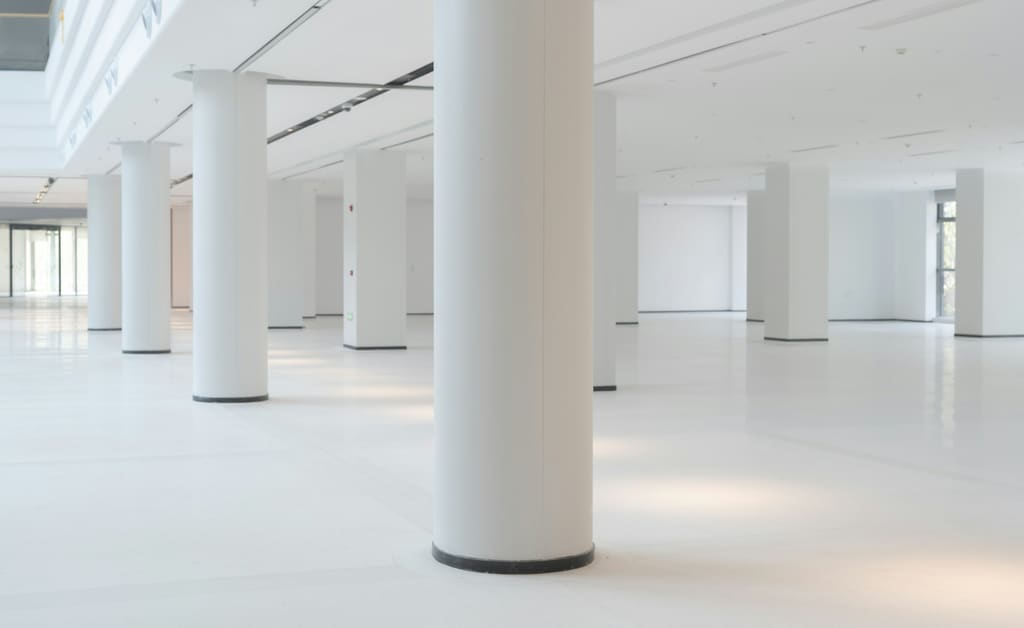
A spacious commercial interior with clean floors and simple, uncluttered surfaces.

Building cleaning services and enquiry types

Each entry describes what an enquiry can cover. None of them sets a price, promises availability or claims a specialist capability — those are matters to confirm directly.

01

General Building Cleaning

Cleaning enquiries for business premises, managed properties, shared spaces and general building environments.

  • Building type and cleaning areas discussed up front
  • Routine and one-off building cleaning requirements
  • Access, timing and site condition notes captured early
More on buildings cleaning enquiries
02

Commercial Premises Cleaning

Cleaning discussions for offices, shops, studios, clinics, workspaces and customer-facing business premises.

  • Front-of-house and back-of-house areas separated clearly
  • Frequency shaped around opening hours and site use
  • Practical priorities recorded before any scope is agreed
More on commercial cleaning enquiries
03

Communal Area Cleaning

Cleaning enquiries for shared entrances, corridors, stairwells, communal rooms and common areas in managed buildings.

  • Common parts listed area by area
  • Shared access and key handover arrangements discussed
  • Routine visit patterns considered for managed buildings
More on communal cleaning enquiries
04

Landlord & Property Cleaning

Cleaning support enquiries for landlords, letting contacts, property managers and rental property handovers.

  • Property type and occupancy status noted
  • Handover and refresh timing discussed realistically
  • Access arrangements confirmed before scheduling talks
More on property cleaning enquiries
05

Routine Cleaning Support

Regular cleaning enquiries shaped around building type, frequency, access, areas required and site priorities.

  • Weekly, fortnightly, monthly or as-needed patterns
  • Consistent area lists so nothing is assumed
  • Site priorities reviewed as requirements change
06

One-Off Building Refresh Cleans

Carefully worded one-off cleaning discussions for property refreshes, handovers, seasonal needs or site presentation.

  • Single-visit requirements described in plain terms
  • Site condition notes gathered before any estimate
  • Timing windows and access constraints discussed
07

Facilities Cleaning Requirement Review

A structured enquiry process covering building type, areas to clean, frequency, access, site condition, timing, location and practical constraints.

  • One structured set of questions, asked once
  • Constraints surfaced before commercial discussion
  • Suitability considered honestly, not assumed
More on review cleaning enquiries
08

Cleaning Scope Discussion

Helping clients define which areas need attention, expected frequency, access arrangements and the practical cleaning scope before agreement.

  • Included and excluded areas written down
  • Frequency and expectations aligned in advance
  • Responsibilities and materials confirmed directly
More on scope cleaning enquiries
A tidy reception area with a clear counter, plain finishes and even daylight.

One structured set of questions, asked once

A facilities cleaning requirement review is simply a structured enquiry: building type, areas to clean, frequency, access, site condition, timing, location and any practical constraints, gathered in one go rather than across a fortnight of emails.

It also surfaces the awkward details early — a stairwell nobody mentioned, a shop floor that can only be cleaned before nine, a block where key handover is the real constraint. Those details shape a scope far more than a general description of the building ever will.

  • Building type
  • Cleaning areas
  • Frequency
  • Access notes
  • Site condition
  • Preferred timing
See the full cleaning process

Cleaning areas to discuss

Areas are listed individually so a cleaning scope can be described accurately rather than assumed. Not every area applies to every building — the list is a starting point for the discussion.

Entrances & circulation

  • Main entrances and lobbies
  • Reception and waiting areas
  • Corridors and internal routes
  • Stairwells and landings
  • Lift interiors and call areas

Working & customer areas

  • Offices, desks and workstations
  • Meeting and shared rooms
  • Retail floors and display areas
  • Studio, salon and treatment rooms
  • Customer-facing counters and seating

Support & shared spaces

  • Staff kitchens and break areas
  • Communal rooms in managed buildings
  • Washrooms and welfare areas
  • Storage, back-of-house and utility spaces
  • Internal glass, doors and touchpoints

Cleaning scope discussion

A cleaning scope discussion turns a general request into something both sides can work from: which areas need attention, how often, how access works, and what sits outside the arrangement.

  • Building or property type
  • Areas that need cleaning
  • Preferred frequency, or a one-off requirement
  • Site or property location
  • Access arrangements and any restrictions
  • Preferred timing or working window
  • Current site condition notes
  • Anything that should be excluded from scope

Cleaning scope, materials, responsibilities, payment terms, cancellation and any specialist requirements should be confirmed directly for any work.

Cleaning enquiries welcome

Start with the building, the areas and the frequency.

Send the building type, the cleaning areas involved, how often cleaning is needed, the location, access notes and preferred timing — and the enquiry can be reviewed properly from the first message.

General building cleaning enquiries are welcome. Please include the building type, areas to clean, frequency, location, access notes, site condition and preferred timing where possible. Specific scope, pricing, materials, responsibilities, availability, insurance, accreditations and specialist requirements should be confirmed directly before any work proceeds.