Commercial premises and shared building spaces, discussed area by area.

Commercial and communal cleaning enquiries can support clients who need to discuss building type, cleaning areas, frequency, access notes, timing, site condition and practical cleaning priorities.

  • Offices & workspaces
  • Shops & customer-facing areas
  • Communal common parts
  • Routine patterns
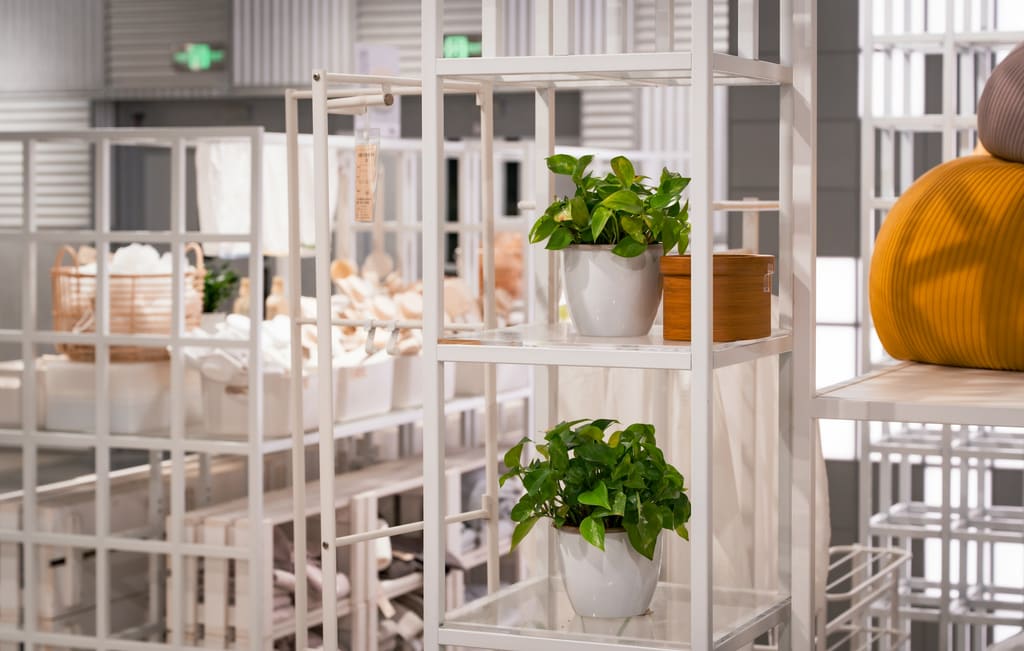
A tidy retail interior with clear display surfaces and a clean floor.
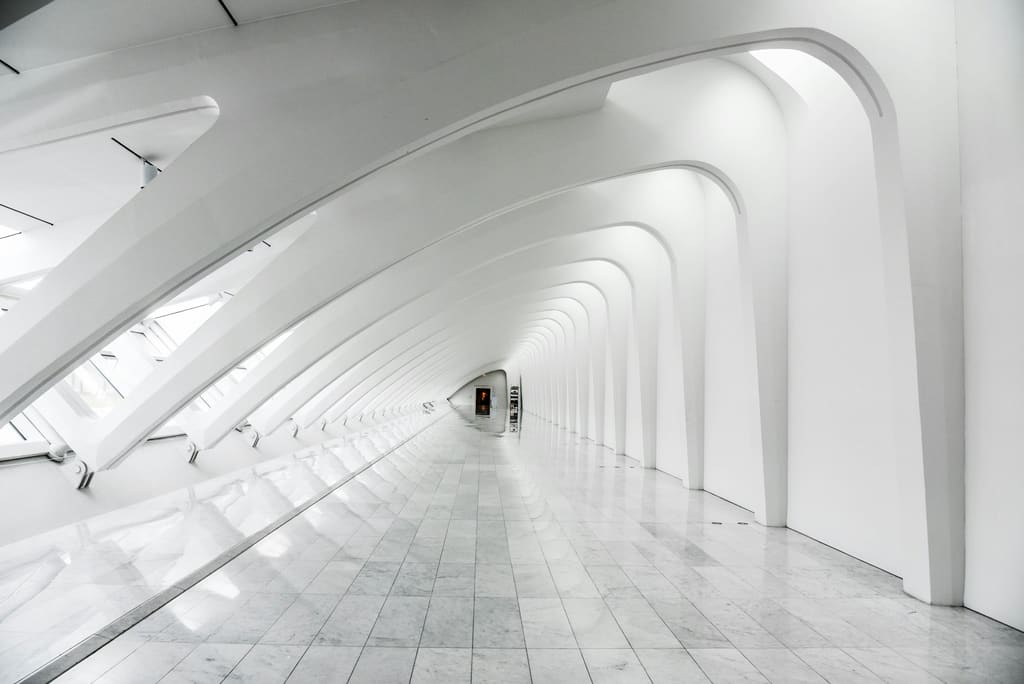
A communal hallway in a managed residential building with plain doors and clear flooring.

Customer-facing space and working space are not the same brief

In a commercial premises, the areas a customer sees and the areas a team works in usually need different attention and often a different rhythm. A shop floor, a reception area and a staff kitchen all sit in the same building and behave nothing alike.

Separating them in the enquiry means the scope reflects the actual priorities of the business rather than an even spread across the whole floor plan. It also makes it far easier to adjust later, because each area is already named.

See the cleaning process

Premises and areas commonly discussed

  • Offices
  • Shops
  • Salons
  • Studios
  • Clinics
  • Shared entrances
  • Corridors
  • Stairwells
  • Communal rooms
  • Managed common parts
  • Routine cleaning requirements

Commercial premises and shared building spaces

Commercial and communal cleaning enquiries can support clients who need to discuss building type, cleaning areas, frequency, access notes, timing, site condition and practical cleaning priorities.

Commercial premises

Customer-facing and working areas are separated so priorities are explicit.

  • Offices and workspaces
  • Shops and retail floors
  • Studios, salons and treatment rooms
  • Clinic and consultation room enquiries for general cleaning only
  • Staff areas and back-of-house spaces

Communal areas

Common parts in managed buildings are listed area by area.

  • Shared entrances and lobbies
  • Corridors, landings and internal routes
  • Stairwells and handrails
  • Communal rooms and shared facilities
  • Managed common parts in residential blocks

Frequency and access

Visit patterns are shaped around how the building is actually used.

  • Weekly, fortnightly or monthly patterns
  • Occasional or as-needed cleaning
  • Timing around opening hours
  • Key handover and entry arrangements
  • Site restrictions affecting access

General cleaning of buildings only. Medical-grade cleaning, clinical cleaning, guaranteed infection control, specialist disinfection and emergency availability are not offered.

Ask About Commercial & Communal Cleaning

Common parts listed as individual areas

“Communal areas” is one of the most commonly misread phrases in a cleaning arrangement. In a managed building it can mean an entrance mat and a lobby floor, or it can mean five landings, a bin store and a lift interior.

Entrances and lobbies

Main doors, entrance glazing, mats, intercom panels and the first stretch of floor that sets the impression of the whole building.

Corridors and stairwells

Circulation routes, landings, handrails, stair treads and the touchpoints along them — the areas that show wear fastest in a shared building.

Communal rooms

Shared rooms and managed common parts where use varies week to week, so the frequency needs to be agreed rather than assumed.

Three things that shape every commercial cleaning scope

These are discussed early because they change what is realistic — and because getting them wrong is what makes a cleaning arrangement quietly stop working.

Frequency

How often each area needs attention. Front-of-house and back-of-house rarely need the same rhythm, and saying so keeps the scope realistic.

Access

Key handover, fobs, codes, alarms and who holds them. In managed buildings this is often the single practical constraint that shapes everything else.

Timing

Opening hours, trading patterns, shift changes and quiet periods. A window that works on paper is not always a window that works on site.

Information needed for commercial and communal enquiries

Commercial and communal cleaning enquiries can support clients who need to discuss building type, cleaning areas, frequency, access notes, timing, site condition and practical cleaning priorities.

  • Building or property type
  • Areas that need cleaning
  • Preferred frequency, or a one-off requirement
  • Site or property location
  • Access arrangements and any restrictions
  • Preferred timing or working window
  • Current site condition notes
  • Anything that should be excluded from scope

General cleaning of buildings only. No medical-grade cleaning, clinical cleaning, guaranteed infection control, specialist disinfection or emergency availability is offered or implied.

Commercial and communal cleaning questions

Can cleaning be arranged around opening hours?

Preferred timing is part of the enquiry. Early, late or between-shift windows can be discussed against how the building is actually used, alongside access and key handover arrangements.

How are communal areas in managed buildings handled?

Common parts are listed area by area — shared entrances, corridors, stairwells, landings and communal rooms — so the scope for a managed building is explicit rather than described as a single block of work.

Do you clean customer-facing retail areas?

Retail floors, counters, seating and display areas can be discussed as part of a commercial premises cleaning enquiry, separated from back-of-house and staff areas so priorities are clear.

Commercial & communal enquiries

Ask about cleaning for commercial premises and shared building areas.

List the areas involved, how often each needs attention, how access works and the timing that suits the building — and the enquiry can be reviewed against a realistic cleaning scope.

General building cleaning enquiries are welcome. Please include the building type, areas to clean, frequency, location, access notes, site condition and preferred timing where possible. Specific scope, pricing, materials, responsibilities, availability, insurance, accreditations and specialist requirements should be confirmed directly before any work proceeds.